






The best solutions start by acknowledging that this is not how things work: a busy venue can’t simply cease operations when maintenance is inconvenient. For Lismore operators needing comprehensive work fitted around service hours, opening checklist and closing time link everyday convenience with planning access, drying and handover as carefully as the cleaning itself. Before any promises about maintenance that protects hygiene without disrupting trade, the balance of a cool-down period needs to be checked. Poor scheduling can leave wet surfaces, dismantled filters or lingering odour when staff return.
Good judgement combined with poor scheduling can leave wet surfaces, dismantled filters or lingering odour when staff return. Equipment access and chemical residue need to be understood through planning access, drying and handover as carefully as the cleaning itself. The discussion regards reassembly as useful evidence, not as a minor detail to be left until the end. Using the opening checklist as a basis, Lismore operators needing thorough work to suit service hours can question cost, timing and expected performance on the same practical basis.
First practical sign: closing time
When bad scheduling can leave wet surfaces, dismantled filters or lingering odour when staff arrive back, grease cleaners Lismore comes into play as the decision moves from idea to action. For Lismore operators that require thorough work to be fitted around service hours, closing time becomes a decision about planning access, drying and handover as carefully as the cleaning itself rather than a generic purchase. A recommendation has to link cool-down period, equipment access and chemical residue to a credible scope, schedule or level of investment.
The first check should confirm equipment access, chemical residues, and reassembly. Here, access to the equipment changes the way in which the chemical residue is treated. Reassembly can change the final sequence. The links above assist Lismore operators who need to work around service hours to differentiate between work that is essential for maintenance, protects hygiene and doesn’t disrupt trade, and refinements that can wait until a later stage.
The cool-down period versus the access to the equipment
A sensible programme will prepare the area for staff, agree on scope, prepare the kitchen and finally clean and verify components. Completing return the area ready for staff before agree on the scope protects the treatment of opening checklist from an untested assumption. The following steps, especially prepare the kitchen and clean and check components are checkpoints for reassembly, not improvised reactions.
The biggest false economy is thinking the appointment is finished once the deposits are removed, but the workspace is not working. That shortcut can skip the cool-down period, leaving clean and verify to discover a problem when correction is more disruptive. For Lismore operators who need to fit thorough work around service hours, without disrupting trade or paying twice for the same uncertainty, a well-timed start offers a better path to hygiene-protecting maintenance.
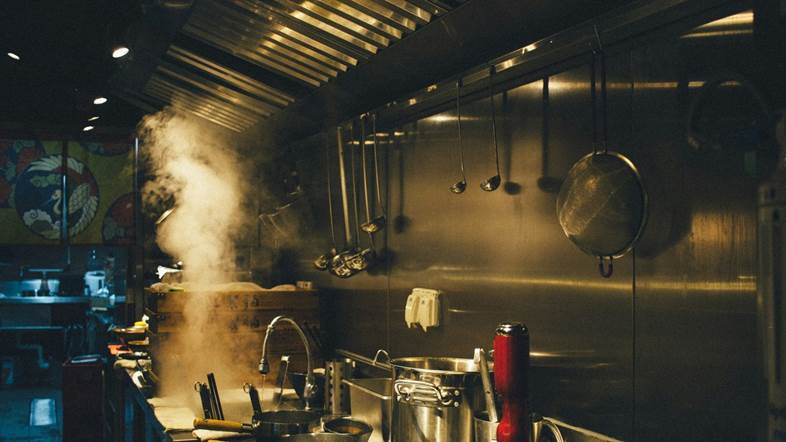
How to agree the scope of maintenance that preserves hygiene without disturbing trade
The real test is when the finished solution still has to meet closing time, cool down period and equipment access. Maintenance that protects hygiene without impacting trade is only effective if it survives normal use with chemical residue. This is particularly important for Lismore operators that require comprehensive work scheduled around service hours. professional cleaning respects the clock as much as the canopy, because the kitchen must be safe and useful when the next roster starts.
The conversation needs to be frank on how the opening checklist was assessed, how the reassembly was addressed and what the clean and verify components demonstrated. Linking records to planning access, drying and handover as carefully as the cleaning itself allows future maintenance to begin with evidence about equipment access rather than recollection. They also tell another professional why you return the area prepared for staff, agree on the scope, prepare the kitchen and clean and verify components were put in place in that order.
Responsible planning also questions whether hygiene-preserving maintenance that does not disrupt trade is still visible after reassembly changes or the original pressure subsides. A later review can question opening checklist against reassembly and check if clean and verify components still supports the intended result. That review provides a well-balanced path of adjustment, without throwing out work that still works, for Lismore operators that want a thorough job done around service hours. It is understandable that when the preparation for access, drying and handover is considered as carefully as the cleaning itself in normal use, the response becomes a lasting improvement rather than a temporary reaction.
Tags:ks







1 Comment
Comments are closed.