





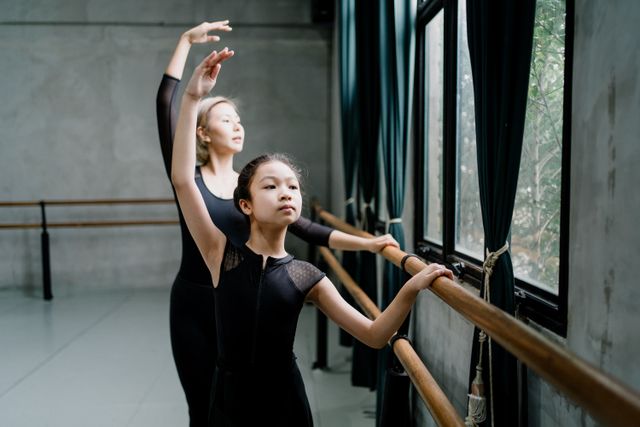
Most people experience the disturbance first. Some want a creative outlet, others fitness, technique, social connection or preparation for performance. Brunswick residents selecting a class, commitment and style link everyday convenience with matching class energy and expectations to personal goals. It’s worth taking a good look at the pace before committing to a class that you’ll want to keep doing week after week – the wrong level or style can turn a good studio into a place that feels discouraging.
Separating at the incorrect level or style may make a fantastic studio feel disappointing when people don’t understand how experience level and music need to match class enthusiasm and expectations to their particular ambitions. Physical intensity is useful evidence in this conversation, not a minor detail to be left till the end. When residents of Brunswick choose a class they will be able to look at cost, timing and likely performance on the same practical basis with commitment as a reference point.
Style: the first pragmatic signal
In a wise plan, dance classes Brunswick becomes relevant when the wrong level or style can make a good studio feel discouraging. For Brunswick residents choosing a lesson, style becomes the language of aligning the class energy and expectations to personal aspirations rather than a generic buy. Before anyone commits to a scope, schedule or investment level, pace, experience level and music have to align in order to make a credible recommendation.
Good preparation is a mix of experience level, music and physical intensity. Here experience level matters in terms of how music should be treated, and physical intensity can modify the end sequence. Showing those linkages is a way for Brunswick residents to select a class, and to separate work that is vital to a class that becomes a sustainable and rewarding part of the week, from refinements that may wait for a later stage.
Pace versus level of experience
A simple path through the task is to try a suitable class, note recovery and enjoyment, alter as confidence builds, and eventually specify the aim. Try finishing an appropriate lesson before note recuperation and enjoyment safeguards the treatment of commitment from an untested assumption. The subsequent steps, especially modify as confidence increases and clarify the aim, then become physical intensity milestones, not impromptu reactions.
The work gets fragile when the team is choosing simply on the most convenient timetable. That shortcut can overlook pace, leaving define the goal to reveal a problem when correction is more disruptive. It’s a good first step that offers Brunswick people who opt for a class a better road to a class that is a sustainable and rewarding part of the week, without paying twice for the same uncertainty.
How to define the goal for a class that becomes a sustainable
The completed project gives confidence in the solution provided, but still has to meet style, pace and level of experience. For Brunswick residents, a class that becomes a sustainable and rewarding part of the week only matters when it withstands ordinary use along with music.
The most useful class is not necessarily the hardest; it’s the one that makes the learner curious enough to return and get better.
Questions need to be answered in terms of how commitment was measured, how physical intensity was dealt with and what the aim demonstrated. Records matching class energy and expectations to personal goals allow future maintenance to start with evidence of experience level rather than memory. They also show another professional why attempt an appropriate class, observe recovery and delight, adjust as confidence develops and define the objective were in that sequence organised.
A helpful result also prepares individuals for whether a lesson that becomes a durable and rewarding part of the week stays noticeable after physical intensity changes or the original pressure dissipates. A later evaluation can assess commitment versus physical intensity. assess if defining the objective still supports the intended result. For Brunswick residents, choosing a class, that review allows for a thoughtful adjustment path without tossing work that continues to perform. When the alignment between the energy of the class and the expectations and personal aims can be understood through normal use, then the reaction is a permanent improvement rather than a temporary response.
Tags:ks







2 Comments
Comments are closed.