





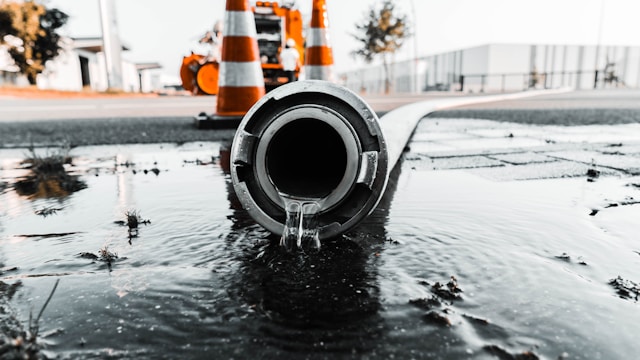
A failing drain can bring uncertainty to a property. Water may drain slowly and you may hear a gurgling sound again or the same blockage may need to be dealt with more than once. The damaged pipe is hidden, so the first thot for homeowners is usually the messy fix: trenches dug thru paving, garden beds, driveways or outdoor spaces. But underground repairs don’t always start with excavation. Modern inspection techniques can help identify cracks, displaced joints, root intrusion and worn sections prior to selecting a repair approach. It’s not necessarily a question of if a pipe is damaged, but how much, where the problem is and if the surrounding structure can be preserved while the pipe is repaired.
An Inside-Constructed Repair Approach
Households can be drawn to pipe relining Melbourne because it offers the opportunity to repair a broken section from inside the current pipe. A flexible resin-coated liner can be inserted into a suitable pipe and cured to provide a new internal surface. The work is underground and follows the route, so it can minimise the need to open up large portions of the property just to get to the problem. That doesn’t mean all drains are candidates for relining. First, the line needs to be thoroughly assessed to know its condition, diameter, access points and type of damage. A completely collapsed pipe may require a different response than one with cracking or localised deterioration. Good planning starts with evidence, not picking a technique because it sounds less invasive.
Defend the Areas Above the Problem
If the pipe is running under something expensive or hard to replace, it becomes clearer why a low-disruption approach is valuable. Tiled courtyards, concrete paths and driveways and established landscaping are both time and money. Saving finished areas from unnecessary excavation can reduce the secondary work that follows a traditional dig-and-replace job. Prepare the site by identifying inspection openings, ensuring access routes are clear and noting where symptoms appear. Repeated blockages after storms, one fixture draining differently than others or an outdoor patch that stays unusually damp may help create a clearer picture before the work begins.
Look Past the Immediate Blockage
A blocked drain is not always the same as a broken drain. Clearing the obstruction may restore flow, but recurrent symptoms may indicate an underlying defect that merits further evaluation. Instead of just dealing with a recurring inconvenience, looking at the cause means we’re deciding how we want our plumbing to perform for the years to come. Records worth keeping after repairs. Save inspection findings, photographs, access points, and section treated details. Future owners/tradespeople then have a map of what is under the surface. This information can be helpful ahead of renovations, landscaping, or construction that changes access around the property.
Upgrading Property, the Quiet Way
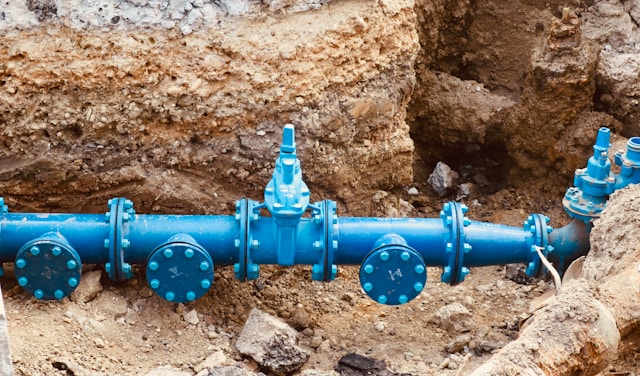
Some of the best renovations are hardly visible when they’re finished. A new underground line may not alter a room or add a feature that guests can see, but it can protect everyday routines and the surfaces above it. If diagnosis, suitability and access are taken into account, pipe repair can be an exact infrastructure upgrade rather than a destructive excavation project.

Leave a reply